Lack Confidence? Not Sure How to Achieve Your Goals? We’re Here to Help!
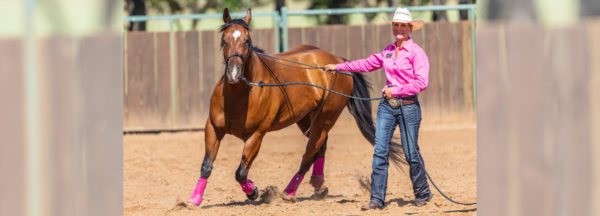
If you…
- Are afraid to canter your horse
- Feel insecure in the saddle at any gait
- Feel your heart speeding up out of fear when you get near a horse
- Are completely confused about groundwork
- Want your horse to respect you and want to be able to trust him
- Would like to feel safe when working with your horse
- Wish you could enjoy your horse, have fun with him and make your dreams of horse ownership come true
You need one-on-one help from a knowledgeable instructor who knows how to work with you and your horse and bring out your best. Our Professional Clinicians and Method Ambassadors will step you through your biggest fears, explaining where your fear is coming from and will teach you exercises that will develop your confidence and give you control of your horse.
Don’t let your fear hold you back from achieving a safe, fun and willing partnership with your horse! At some point, every horseman has felt the same insecurities and worries. Our clinicians and ambassadors are trained to step you safely through the process of overcoming all of the fear, anxiety and self-doubt that’s keeping you from enjoying your horse and having fun.
Get to know each of our clinicians and ambassadors and contact them directly on our website.
