Training Tip: Advice for a Horse That Cribs
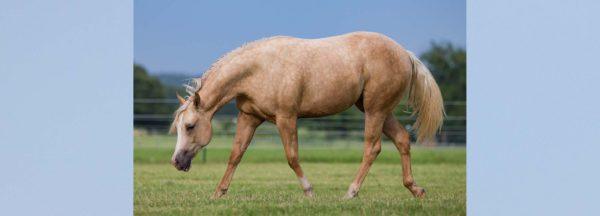
Question: My friend bought a horse that has a cribbing habit. He is a very willing horse, smart and well trained for cow work and ranch riding. My question is do you think a horse that cribs is a big problem? He does better if he’s turned out 24/7. He only cribs in a stall. – horsewoman2
Answer: No, it doesn’t bother me at all. Cribbing is something that bothers people way more than it does horses. A lot of people pass up some really good horses because the horses are cribbers. The only time cribbing becomes a problem— and I’ve seen one case of this in 29 years, that’s how rare it is—is when a horse cribs so much that he won’t eat anymore or he loses teeth from doing it. Reality is very few horses do it that much to where it causes a physical problem.
A lot of people feel that cribbing is a learned behavior—a horse begins cribbing because he sees another horse doing it. I personally would have no problem putting a horse that cribs in the barn next to any of my horses because I don’t believe that cribbing is only a learned behavior from another horse. I’m not saying that it’s impossible for that to happen, but no one knows for sure why a horse starts cribbing. I’ve seen horses that have been turned out all their lives do it, and I’ve seen horses that have been kept in stalls all their lives do it. It’s not a big deal as far as I’m concerned. I certainly wouldn’t pass up a good horse because of it.
The bottom line is that the horse is cribbing (or weaving or pacing or doing some other idiosyncrasy) because he’s lacking something and cribbing makes him feel more comfortable. If it made him feel uncomfortable, he wouldn’t do it. Horses aren’t stupid. Usually, horses develop these habits because being in the stall makes them feel trapped and claustrophobic, or they don’t have enough socialization with other horses. I try to design stalls so that horses can see each other. If they’re in a stall, I try to make them feel as if they’re in a natural environment as much as I possibly can.
I’ve found that when horses come to the ranch for training with these idiosyncrasies, usually within three to four weeks of groundwork, and getting them to use the thinking side of their brains and getting rid of that excess energy, they stop weaving, cribbing, pacing, etc. They stop the behaviors by themselves. Not all horses do of course, but a lot of them will. Because when they’re in the stall, they are either sleeping or relaxing—they’re not worried about getting out of the stall. When they get out of the stall, they know that’s when they’re going to have to work and hustle their feet. So simply giving the gelding a consistent job could solve the problem.
You’ll have to figure out what works best for this horse and his particular situation. Just keep in mind that horses feel safety in numbers, need to socialize with other horses and thrive on mental and physical stimulation—having a job to do that makes them think and keeps their minds busy.
Have a horsemanship question or looking for more training tips? Check out the No Worries Club.
