Training Tip: Don’t Let Your Emotions Get In The Way
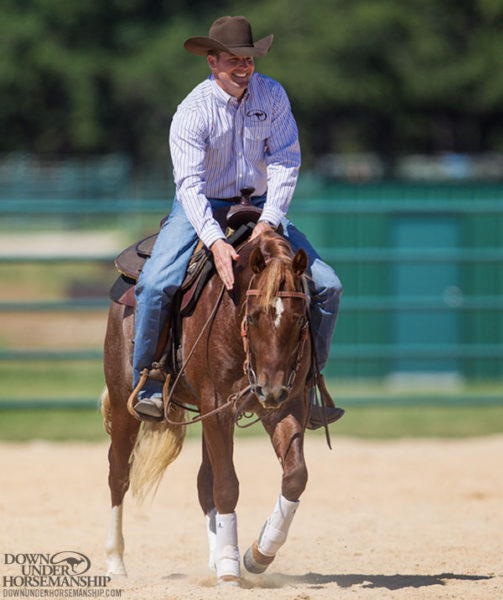
Human emotions have no place in training horses. If you try to deal with a horse based on emotions, you won’t get the response you want because he won’t understand what you’re asking him to do. You have to be able to correct your horse and increase pressure without raising your emotion. Losing your temper is bad because even if the horse does what you want him to do, you won’t recognize it because you’ll be too focused on the punishment. And if you don’t reward the horse for the correct behavior, he won’t understand what you’re asking him to do. If he can’t figure out the answer you’re looking for, he’ll get confused and frustrated, which will only make the situation worse.
At the same time, you can’t just love and rub on your horse and expect him to be respectful of you. You have to be willing to correct him if he steps out of line. I love my horses to death, but I don’t let them get away with things. The fact that I love them doesn’t affect my rules. It’s the same way my parents were with me – they both loved me, but they’d correct me when I needed it. Your goal is to get a well-trained horse that you feel safe around and enjoy spending time with. Don’t ruin your progress by letting your emotions get in the way.
